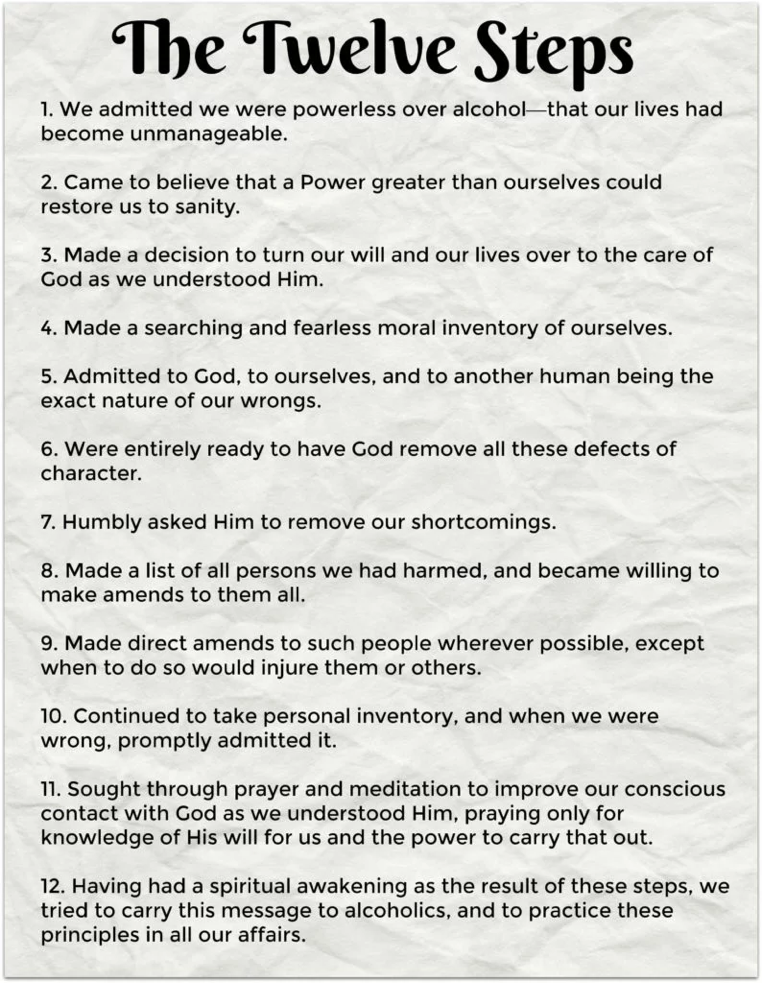
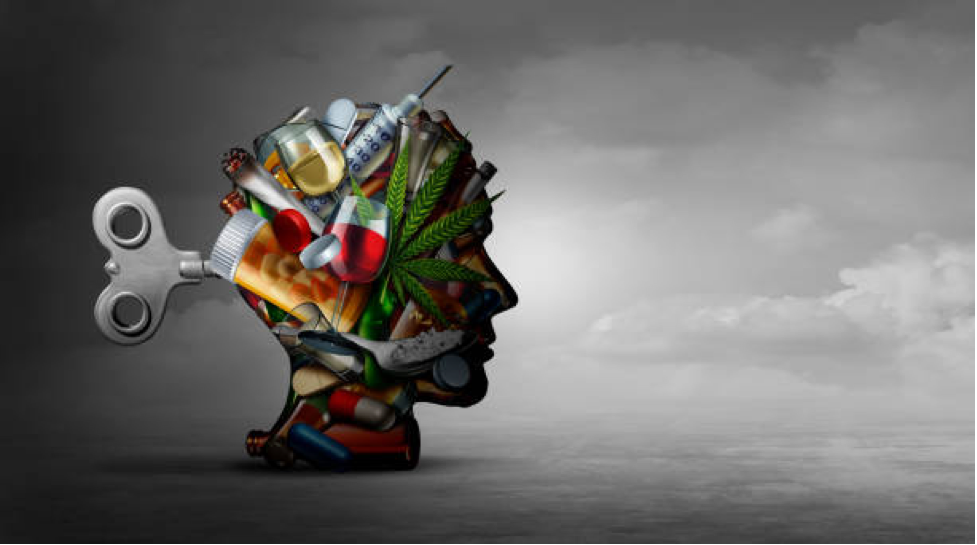
First developed in 1935 by Bill Wilson & Dr. Bob during the founding of Alcoholics Anonymous (AA), the 12 Steps is a spiritual foundation for personal recovery designed to help individuals suffering from alcoholism and addiction attain a path to long-lasting sobriety and a substance-free lifestyle.
Many members of 12-step recovery programs2 have found that these steps were not merely a way to overcome addiction, but they became a guide toward a new way of life.
We believe the 12 Steps can be a critical element of a long-term recovery program. Accordingly, we include the teachings and principles into our treatment program.
What are the 12 Steps of recovery?
- Asking questions about the 12 Steps: This introduces the Steps and allows patients to voice any questions and concerns. For instance, 12 Step encourages reliance on a spiritual foundation, but many groups give individuals the freedom to choose their own version of a “Higher Power.” This choice often helps patients let go of any religious resentments or preconceived prejudices toward spiritual practices.
- Finding the right fit: This session encourages patients to attend a 12 Step meeting to join a group that may be instrumental in the patient’s ‘community of recovery.’
- The first three steps: Patients are introduced to the first three Steps. They’ll explore themes of acceptance, powerlessness, and surrender. They’ll reflect on what a Higher Power means to them and learn to recognize defense mechanisms that keep them stuck in addictive patterns.
- Sponsorship and making connections: Here, patients become familiar with the sponsor and sponsee relationship, and are taught the importance of making connections with others.
- Building healthy relationships: This session helps develop a further understanding about the 12 Steps and encourages patients to attend meetings and work the Steps.
Applying the 12 Steps
12 Step meetings are considered the “fellowship” part of the AA/NA mutual support groups, where people come together and share their experiences. For many people, these groups may serve as their primary resource for changing their behavior. But others seek additional help through mental health counseling.
The 12 Step approach to rehabilitation treatment is embraced throughout the world, so you can find support where you are or wherever you go.

The 12 Steps
Though the original Twelve Steps of AA have been adapted over time, the premise of each step remains the same for all recovery programs that use a 12-step model.
By exploring the steps in depth and seeing how others have applied the principles in their lives, you can use them to gain insight into your own experiences, and to gain strength and hope for your own recovery. The steps and their principles are:
- Honesty: After many years of denial, recovery can begin with one simple admission of being powerless over alcohol or any other drug a person is addicted to. Their friends and family may also use this step to admit their loved one has an addiction.
- Faith: Before a higher power can begin to operate, you must first believe that it can. Someone with an addiction accepts that there is a higher power to help them heal.
- Surrender: You can change your self-destructive decisions by recognizing that you alone cannot recover; with help from your higher power, you can.
- Soul searching: The person in recovery must identify their problems and get a clear picture of how their behavior affected themselves and others around them.
- Integrity: Step 5 provides great opportunity for growth. The person in recovery must admit their wrongs in front of their higher power and another person.
- Acceptance: The key to Step 6 is acceptance—accepting character defects exactly as they are and becoming entirely willing to let them go.
- Humility: The spiritual focus of Step 7 is humility, or asking a higher power to do something that cannot be done by self-will or mere determination.
- Willingness: This step involves making a list of those you harmed before coming into recovery.
- Forgiveness: Making amends may seem challenging, but for those serious about recovery, it can be a great way to start healing your relationships.
- Maintenance: Nobody likes to admit to being wrong. But it is a necessary step in order to maintain spiritual progress in recovery.
- Making contact: The purpose of Step 11 is to discover the plan your higher power has for your life.
- Service: The person in recovery must carry the message to others and put the principles of the program into practice in every area of their life.
SMART Recovery
SMART Recovery is a secular alternative to 12-step programs like AA. Rather than emphasizing powerlessness and embracing a higher power, the SMART Recovery approach emphasizes viewing substance use as a habit that people can learn to control. It draws on aspects of Cognitive Behavioral Therapy and helps members to build motivation, cope with cravings, change addictive thoughts, and adopt healthy habits.
SMART Recovery’s 4-Point Process
- Building and maintaining the motivation to change
- Coping with urges to use
- Managing thoughts, feelings, and behaviors in an effective way without addictive behaviors
- Living a balanced, positive, healthy life
The meetings follow a standard structure that includes both teaching and participant input. The SMART Recovery Program differs from 12 step groups, but many people choose to be involved in both groups.
Secular Organizations for Sobriety (S.O.S.)
This program is focused on helping people overcome addictions by focusing on their values and integrity rather than embracing a higher power. It encourages members to make sobriety the top priority in their life and take whatever steps they need to stay on the path to recovery.
Professional Treatment
In addition to mutual support groups, whether they are 12-step programs or an alternative approach, getting professional treatment can significantly improve a person’s chances of recovery. Depending on an individual’s needs, such treatments may involve therapy, medications, or inpatient/outpatient rehab.
Thank you for allowing me to serve you. Remember to Live from your Heart! I look forward to serving you again. (put this on every Blog and say at the end of every YouTube video).
Affirmations for Recovery:
- My recovery works when I work it
- One day at a time
- I am taking small steps every day to change my life
- I forgive myself for my past mistakes
- I am confident in myself and my ability to achieve my goals
- Sobriety is helping me shape a better future for myself
- I trust the path I am on
- I have acceptance
- My struggle with addiction doesn’t define who I am
- I am stronger than I give myself credit for
- I have courage and wisdom and know the difference
- I deserve acceptance and love
- I Love myself
- I am brave enough to face discomfort
- I feel safe to open and connect with others
- I am at peace with who I am
- I am making good choices
- I can admit that I need help
- Progress not perfection
- The past has no power over you anymore
- I am in charge of my life story
- I believe in Myself
- I am stronger than my temptation
- I am proud of Myself
- I matter
- I have purpose
- Today, I choose to live in the moment
- I am grateful
- I am letting go of my shame and guilt
- I have compassion for myself
- Today, I chose to reach out to others before I act out